Site and handling conditions

jet 1 ton chain hoist

Buyers who search jet 1 ton chain hoist are often trying to match a known catalog family to a building. This page translates that search into purchase inputs: beam, lift path, power and what the RFQ must exclude. 1 Ton Chain Hoist Sourcing is not Jet and does not treat a catalog name as proof that a substitute factory already fits the room.

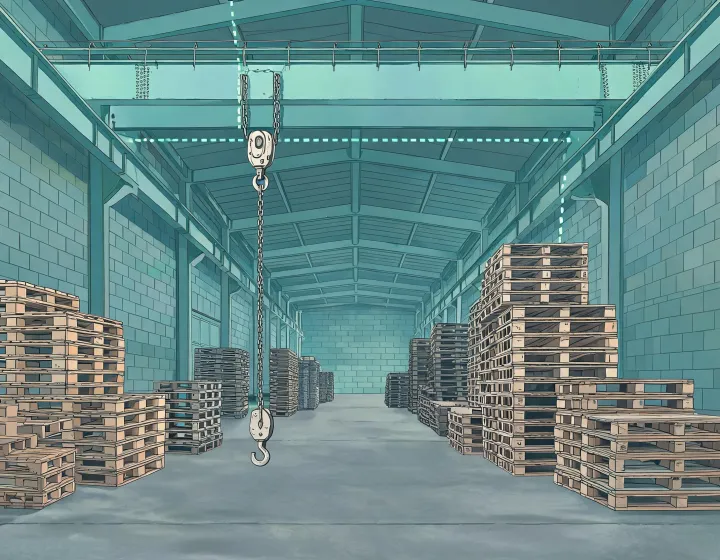
Overhead beam and hoist path in a warehouse aisle

Conditions that rewrite the specification

Low headroom beam

When the runway sits close to the roof, hook-to-hook and the trolley body height matter more than the nameplate lift. Write the clear dimension from the beam flange to the floor and the required lift of the load, not only “20 ft.” A jet 1 ton chain hoist style comparison still needs those two numbers before a factory can say a low-headroom body is in scope.

Outdoor dock or yard

Weather covers, corrosion notes and whether the hoist stays outdoors overnight belong on the RFQ. Electric controls rated for a dry maintenance bay are not automatically the same quote as a yard hoist. Keep freight to the dock as a separate line from the machine.

Process line with timed lifts

Lifts per hour and duty cycle decide whether a manual chain hoist is even a comparable option. If the buyer only typed a catalog name because that is the unit on the next bay, copy the duty and the travel length, not just the brand string.

Shared runway with other gear

Aisle width, end stops and whether another trolley already occupies the beam change the quoted travel. Name those constraints so a factory does not price an unlimited runway that the building cannot accept.

RFQ checklist for this application

Tick the items that belong in the requirement. They stay on the buyer side until a factory answers.

  • Rated capacity with lb or kg and any below-the-hook tool mass
  • True lift height and hook-to-hook, including 20 ft lift if that is the path
  • Beam flange, travel length and trolley type
  • Voltage, phase and frequency, or manual / air instead
  • Duty cycle and lifts per hour
  • Destination state and whether freight is in or out of the machine line
  • Documents requested after match (capacity statement, wiring, inspection record)

Nameplate capacity versus application load is a standing dispute: a 1 ton plate does not absorb an off-center load or a long lift that the room cannot clear. Equipment price versus installed cost is the second dispute: pit work does not apply to a hoist, but anchors, disconnects and load tests still get mixed into lump sums. Keep those extras named. More on units before quotes.

Send the site-conditioned brief

The form below is the same action as the compact inquiry modal. Use it when the building constraints are already written.